About Me
I'm Alessandro, an electronics engineering graduate turned towards computer science, policy, and security.
I'm currently pursuing a master's degree in Engineering and Policy Analysis at TU Delft, where I am studying the fundamentals of Machine Learning, Advanced Modelling and Simulation, but also policy design and strategy. As an intern, I'm also working on domain-specific applications of Large Language Models to International Relations and Security.
I am eager to explore how to apply innovations in computer science to the public domain in an effective, transparent, and secure way. In my free time, you will find me singing, playing music, and sharing my love for it.
Projects
normattiva-mcp
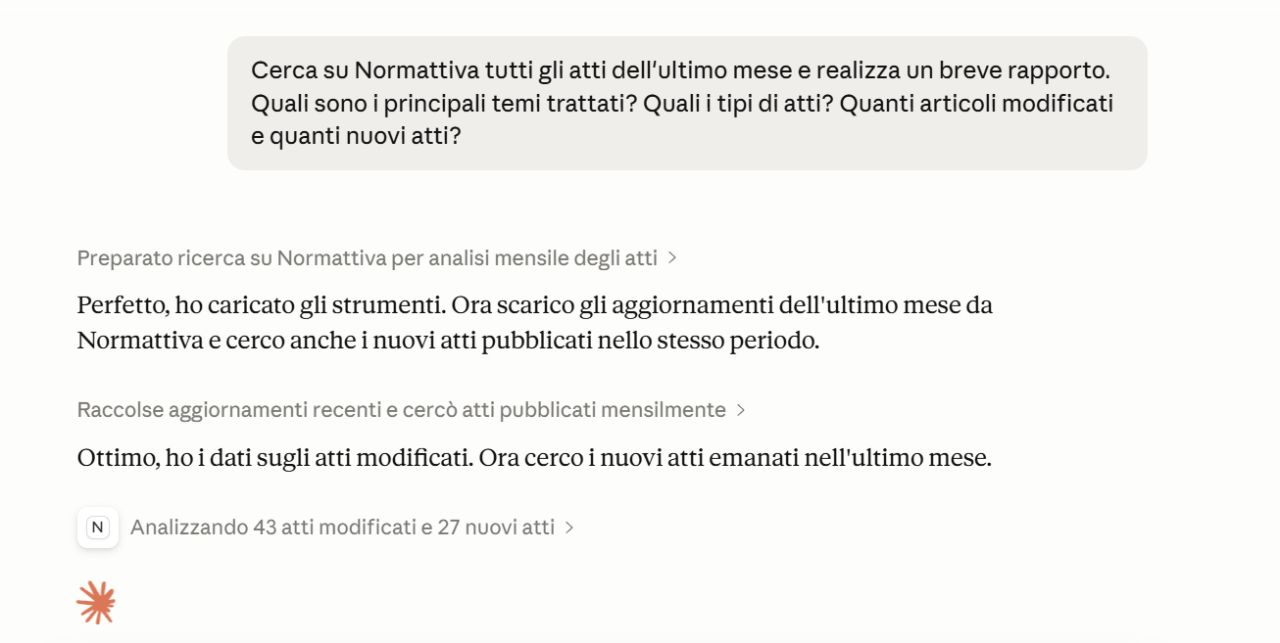
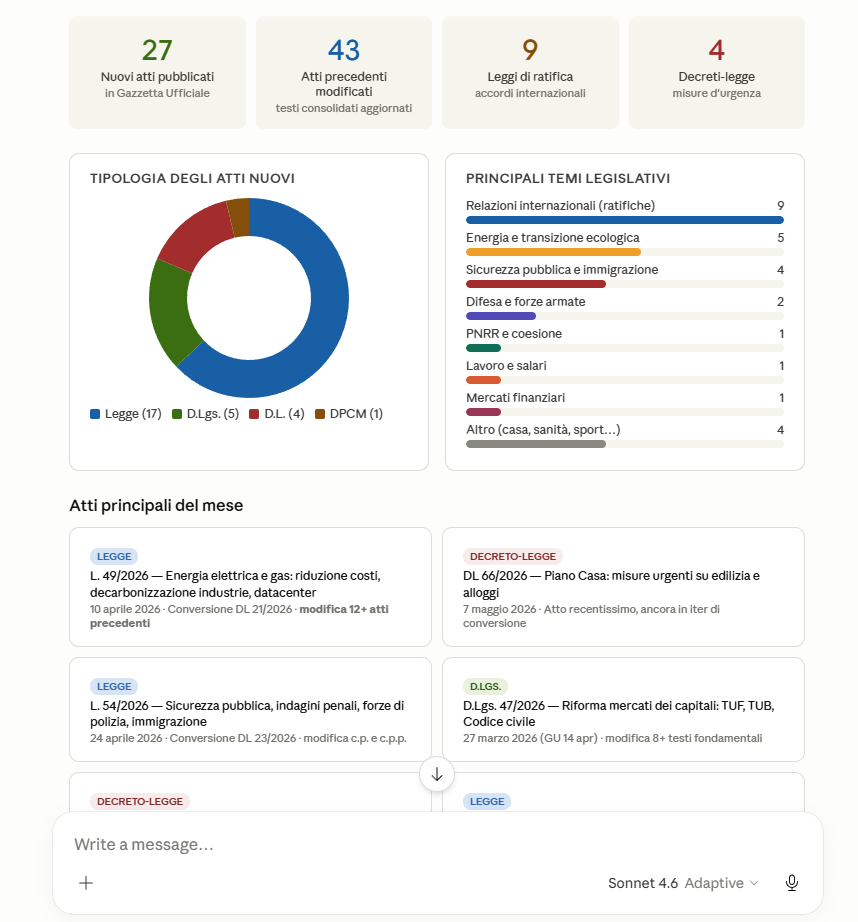
A Model Context Protocol server that lets LLMs explore Italian legislation natively through Normattiva, the official repository of Italian law. It wraps the IPZS OpenData API as MCP tools, resources, and prompts — search acts, read articles at a given date of vigenza, monitor recent changes — so model answers stay grounded in primary sources.
Built in TypeScript and published on npm — runs anywhere via npx normattiva-mcp. If you work with Italian law or just want to take it for a spin, I'd love to hear your feedback.
ABM for Bangladesh Road Network
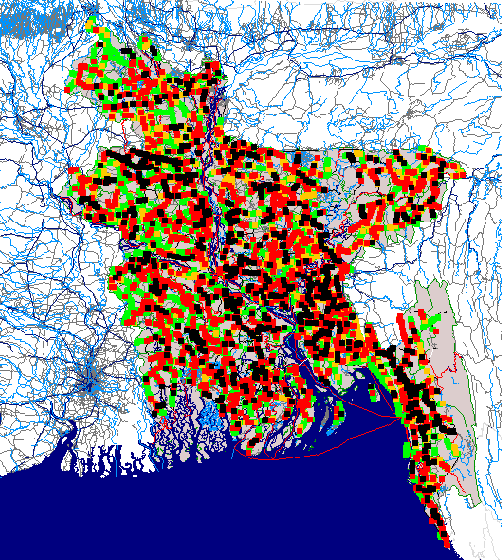
In this group project, I replicated a TU Delft research study for the World Bank, aimed at optimizing Bangladesh's road and bridge network. Starting with raw, unstructured data from the Ministry of Transport, I performed extensive data cleaning and exploration to construct a functional network model of the country's major highways.
Using an Object-Oriented approach in Python, I combined Mesa for agent-based modeling, NetworkX for pathfinding and graph computations, and GeoPandas for spatial data structuring. I ran simulations across various disaster scenarios to compute vulnerability and criticality metrics, ultimately determining which infrastructure required urgent investment.
IJssel River Flood Risk Management
In this advanced simulation project at TU Delft, our team acted as policy analysts for the dike rings of Deventer and Gorssel to develop a robust flood risk management strategy for the IJssel River Basin. Operating under conditions of "deep uncertainty," we moved beyond traditional predictive modeling to explore thousands of plausible future scenarios involving climate change and socio-economic volatility.
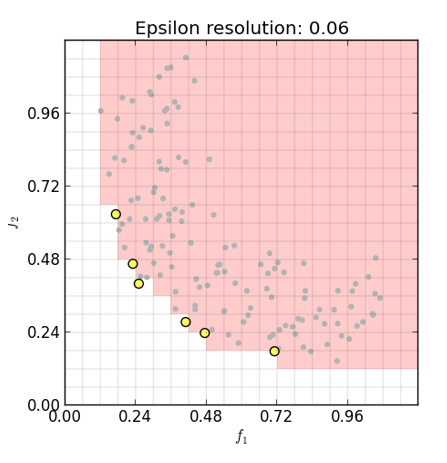
Using Python and the EMA Workbench, we engaged in an iterative process of Exploratory Modeling and Analysis (EMA). We utilized Global Sensitivity Analysis (Extra-Trees) to identify key risk drivers and applied Multi-Objective Evolutionary Algorithms (ϵ-NSGA-II) to generate Pareto-optimal policy sets. To stress-test these strategies, we employed the PRIM algorithm for scenario discovery, identifying the specific conditions under which policies might fail.
Spatial Data Science: From Wrangling to Advanced Modelling
Developed for the TU Delft Spatial Data Science course, this project applies Python-based workflows to analyze socio-economic patterns in The Hague and India. I first established a robust data engineering pipeline using Pandas and GeoPandas to clean, reshape, and prepare raw urban statistics.
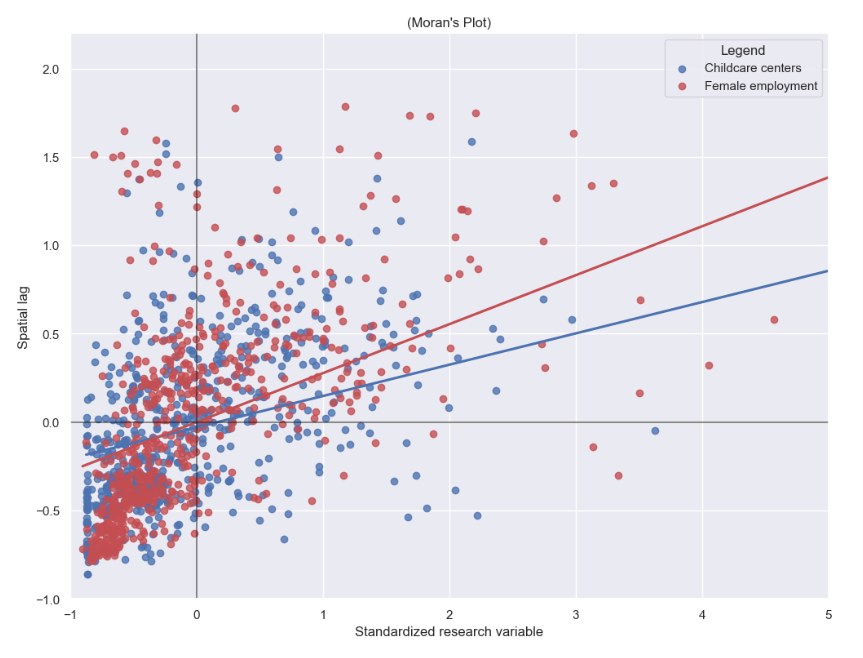
Transitioning to complex modelling with the SHRUG dataset, I investigated female labor participation by applying Global and Local Spatial Autocorrelation (Moran's I and LISA) to detect geographic clusters. Finally, I utilized Principal Component Analysis (PCA) for dimensionality reduction followed by K-Means Clustering to group districts based on development indicators.
Publications
GINA Diplomatic: Methodological Notes
The Hague Centre for Strategic Studies (HCSS) • January 2026
Co-authored the methodological documentation for the GINA Diplomatic 2.0 release. This report outlines the data engineering pipeline, NLP classification models, and source verification techniques used to track diplomatic sentiment.
Read Report →